

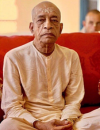
What dogs, birds and elephants teach us about our habits – with Spanish translation
Talk at San Miguel Arcangel School, Panama
Transcript
This is an AI-generated transcript and may contain some errors.
So I thank the organisers, the thought school authorities over here, for inviting me here to speak to all of you on the topic of the power of the mind. Muchas gracias a los organizadores, a los autoridades, a ustedes, para reunir aquí para hablar sobre el tema Como sabre cual es el poder de la mente, el poder de la mente. And Some of you are a little uncomfortable here, especially the boys, all of you have to stand up.
So it’s a little crowded. I hope you can bear with that. So I will give three examples To illustrate the power of the mind and especially the power of the habits that are formed in the mind.
Three examples are from the animal world. I’ll talk about dogs, birds and elephants. El de reino animal, mundo animal, va a hablar de perros, de pajaros, dogs, birds and elephants.
So There was a Russian psychologist Alexander Pavlov. He did some experiments on dogs to understand how they behave and we can understand how our mind behaves from that experiment also. Había un psicólogo ruso, señor Pavlov.
Él hizo un experimento con los perros. Empezó a estudiar a los perros y con esto él pudo comparar con el experimento a los humanos. So Normally for all living beings, especially those living beings who have tongues, if we see some nice food in front of us our tongue starts salivating.
Entonces para los humanos normalmente cuando vemos algo muy rico, arroz con coco y poroto con guandu y todo eso, cuando vemos todo eso en la empanada, que sucede en la lengua, la saliva, saliva se dice, salivación empieza a formar en la lengua. So he said, so he this Russian scientist, he decided to experiment and see what would happen to dogs if certain situations were changed around them. So whenever he would put food in front of these dogs, along with that he would ring a bell.
Entonces que él hacía, él ponía comida para el perro y al lado tenía una campana y tocaba la campana. And he noticed that because of seeing the food, the dogs would salivate. Then he started ringing the bell slightly before giving the food.
Un poquito antes de dar la comida. And the dogs, whenever they would hear the bell ringing, then they would start salivating. Entonces así los perros fueron acostumbrados que cuando hay campana y comida, entonces cuando escuchaban la campana ya empezaba a salivar su lengua.
So because after the ringing of the bells, food would come. So normally the sight of food causes saliva, but here in their case, the sound of the bell started causing saliva. After some time, he stopped providing food after ringing the bell.
But still, whenever he would ring the bell, the dogs would start salivating. So in their minds, they had associated the sound of the bells with food and that’s why they would start salivating. Por eso escuchando la campana, pensaban de comida.
Although actually, bells cannot be eaten. The sound of bells has nothing to do with food. But just by habit, they associated the sound of the bells with food and started salivating.
Realmente no se puede comer una campana. ¿Hay alguien que come una campana en la calle? Entonces la campana no se puede comer y el sonido de la campana no tiene que ver nada con la comida. Claro, tiene que ver con el helado en Panamá.
Pero normalmente no tiene que ver nada con la comida. Pero el hábito que tenía el perro, que apenas tocaba la campana, él acordaba de comida. Entonces por eso el proceso que tenía.
So similarly, all of us form certain habits based on our ideas of what will give us happiness. Y así mismo, nosotros basamos nuestras ideas en la vida. ¿Qué es lo que me da felicidad? ¿Qué es lo que me da placer? So for example, in our teenage or our youth, people around us may tell us that, Oh, if you smoke, if you drink, if you take drugs, it’s cool, you’ll enjoy.
Entonces así mismo, hay gente alrededor de nosotros, ellos dicen a nosotros, Oye, si tú fumas un cigarrillo, te vas a sentir bien cool, oíste, está muy bueno. O si tú tomas diferentes sustancias para intoxicar, o tomas alcohol o cerveza, está buenísimo, está bien cool, oíste. So initially, there may be a little enjoyment.
But after some time, that desire takes control of us so much that it drags us and there is no enjoyment. Entonces inicialmente, uno puede sentir un disfrute. Uno puede decir, ah, estoy disfrutando, haciendo esa actividad.
Pero después de que sucede, este producto nos ata, nos totalmente captura para hacer esa actividad, ya no tengo más libertad. So addicts often tell that they consume, either it’s alcohol or drugs, not to feel high, but just to feel normal. Entonces los adictos normalmente consumen productos así, de adicción, como drogas o algo así, no para estar en otro nivel, sino para estar normal.
So, I’m writing a book on spirituality and addiction. So I read the narrative of a person who realised how he had become addicted. Entonces, ahora mismo el maestro está escribiendo un libro, espiritualidad y adicción.
Y él está escribiendo la historia de una persona, cómo él volvió un adicto. So this is from America, once one young man who was addicted to alcohol, in the middle of the night, early morning actually, cold night it was, he got the desire to drink alcohol. Entonces, había un hombre en Estados Unidos, quien estaba muy adicto al alcohol, y como casi media noche, era el tiempo de invierno, media noche, estuve cercana que ahora mismo quiero tomar licor.
Now, he got up from his bed, it was cold, he went to his fridge, there was no alcohol over there, not the kind he wanted. So he got into his car and went to a nearby bar. Entonces, él levantó, media noche, buscando por toda la casa, algo que puede tomar de alcohol, no consiguió nada.
Entonces, después que hizo, bajó a estacionamiento, prendió su carro, fue manejando hasta un bar más cercano. So, in the bar when he entered, he found that the particular alcohol that he wanted, that was not available. So now he had to go to another bar, which was half way across the town.
Entonces, cuando él entró a un lugar así bar, donde vende licor, entonces la marca que él buscaba no estaba ahí. Entonces, él cogió su carro nuevamente y fue al otro bar para buscar esta marca de licor que él quería. As he was going along in the cold night, his car broke down, and then he had to walk out trembling, he had come out hastily, so he was not wearing proper warm clothes also.
Entonces, como estaba manejando, yendo para el otro bar, el carro se paró. Se dañó el carro ahí mismo, no quería mover más, él salió del carro y empezó a caminar. Ahora, como él salió así en prisa, no tenía ni abrigo, ni la ropa adecuada para el invierno.
So, he got out of his car, walked trembling in the cold, got to the bar, got the alcohol he wanted and drank a sip. Then he thought, no, I have gone through so much trouble to get this alcohol, I will sit in one place peacefully and drink it nicely. Entonces, él pensó, wow, yo hice muchas cosas, enfrenté muchos obstáculos solamente para conseguir mi marca de alcohol, ahora yo voy a sentar con mucha calma, mucha paz y voy a tomar mi licor aquí.
So, he was walking along the road to go to his car, and suddenly he slipped and fell down in the snow. Entonces, él estaba caminando, era invierno, tenía nieve también, y él dijo que va donde el carro, pero se deslizó, la calle estaba lleno de nieve, y se cayó de espaldas y se cayó. And he had not put the lid on the bottle properly, so the lid came off and all the alcohol went all over his body.
Entonces, él no había cerrado bien la tapa de esa botella de alcohol y cuando él se resbaló, se cayó todo el alcohol encima de él, encima de todo el cuerpo. So, he had fallen on his back on the ground and he looked up and he saw all around big buildings with all the lights closed and it struck him, what am I doing? Entonces, él cuando se cayó y se cayó la botella y todo, él miró para arriba y ahí empezó a notar donde él estaba. Estaba entre todos los edificios, residenciales, pero todo estaba oscuro.
Entonces, ahí le dio cuenta, que estoy haciendo aquí ahora mismo, es ahora. I could have been sleeping comfortably in my bed, in a warm room and here I am trembling in the cold, lying on the ground, drenched with alcohol. He realised, I am enslaved by my alcoholism.
I am a slave. Entonces, él tuvo esa realización. ¿Qué estoy haciendo aquí? Yo podría estar en mi cama, durmiendo en esa noche tan fría, bien cómoda en la cama, pero ¿qué estoy haciendo? Estoy aquí, caído en la calle, estoy lleno de alcohol en mi cuerpo, estoy con el frío, que me está dando tantos problemas.
Entonces, ¿qué soy yo? Yo soy un esclavo de mi hábito de tomar el alcohol. So, initially we get our habits and then our habits get us. Entonces, inicialmente nosotros tenemos los hábitos y después, ¿qué sucede? Los hábitos vienen a nosotros.
So, first we get into a habit thinking that this will give me pleasure. But afterwards, there is no pleasure, there is only the misery if I don’t do that activity. And the habit cracks us.
Entonces, inicialmente uno piensa, no, eso es lo que yo quiero, eso es lo que yo disfruto. Ahí desarrolla el hábito. Pero una vez que ya tenemos hábito, entonces viene esa ansiedad, esa miseria de hacerlo por la fuerza del hábito.
So, we become like that dog who thinks the ringing of the bell means food will come. Like that, we think this habit will give me pleasure. But actually, no pleasure comes after that.
Only bondage comes, entanglement comes. Eso me va a dar placer, pero realmente no es así. Único que le da ese hábito es miseria y uno vuelve esclavo de ese hábito.
The second example I would like to give is of a bird. El otro ejemplo que quiero dar es de un pajaro. When a bird is born, first it is born inside the shell.
Cuando el pajaro nace, el pajarito nace, nace adentro del huevo. And when the bird starts growing as a baby bird, it actually has to break the shell to come out. Entonces el pajaro, cuando nace y empieza a crecer muy poquito adentro del huevo, él tiene que romper para salir de este huevo.
So, if any of you have seen a bird coming out of a shell, it is quite a difficult and painful process. The bird tries to break the shell and maybe one wing comes out and the shell flaps back. And then the wing gets crushed within that.
¿Alguno de ustedes han visto el proceso del pajarito naciendo del huevo? ¿Ha visto a alguien, no? Es con mucho esfuerzo que el pajarito está naciendo de ahí. A veces saca solamente una ala y la ala queda entrapada entre el mismo huevo. Entonces no puede ni abrir.
Es una lucha para el pajarito. And then it pushes again and the other part of the shell cracks and a little bit of the more wing comes out. And again the shell snaps back and it gets hurt.
But again it pushes. Slowly, effortfully, the bird breaks through the shell. Entonces muy gradualmente, después de luchar, pelear contra el huevo, entonces el pajarito empieza a salir de una parte, de otra parte.
Entonces trata de moverlo máximo para que pueda quebrar. Está encarcelado en ese huevo. Puede quebrar y puede librar, puede salir.
So, actually, the shell, when it breaks and the bird comes out, because of the effort in breaking that shell, the bird’s wings grow strong. Entonces, ¿cuál es el resultado de esforzar tanto el pajarito, de luchar tanto? Cuando sale, ya el pajarito tiene suficiente potencia, suficiente poder, porque ya ha desarrollado ese poder en salir. So, similarly, we are all covered by a shell of our past habits, some of which may not be so good.
Entonces, en modo similar, nosotros también estamos atrapados en este cárcel de nuestros hábitos. Y así como el pajarito lucha contra ese para salir del huevo, nosotros también tenemos que luchar contra nuestros hábitos malos y salir de ellos. So, when the bird has struggled to break the shell, then its wings are strong enough so that it can start flying.
If the shell is simply broken and the bird is brought out, its wings are not strong enough and it cannot fly. Entonces, el pajarito, si el pajarito no hace el esfuerzo de salir solo, si alguien de usted piensa, oh, voy a ayudar al pajarito, voy a ayudarlo, usted mismo empieza a romper para que salga, no va a poder volar nunca. Necesita esa fuerza para que el mismo rompe eso y empiece a volar.
Similarly, when we struggle to develop good habits, struggle to give up some bad habits which we may have, then through that we grow and become stronger. Entonces, así mismo, cuando nosotros luchamos contra nuestros hábitos malos, cuando nosotros adquirimos hábitos buenos, así mismo nos da la fuerza para volar más adelante así como el pajarito. So, do any of you have any habits which you would like to change or give up? ¿Ustedes tienen algún hábito que quieren cambiar o dejar? ¿Alguien de usted tiene algún hábito que quiere cambiar? All of you are saintly, all of you have good habits, no bad habits with anyone.
Parece que todo el mundo aquí está con buenos hábitos solamente, nadie de usted tiene malos hábitos. You don’t have to tell your bad habits, but tell me just, do any of you want to change your habits? No, no necesariamente tienen que decir que cuál es su hábito malo, solamente la pregunta es, ¿Usted quiere cambiar sus hábitos? ¿Sí o no? Sí. No escuché nada.
Sí. Más alto. Sí.
Más alto. Sí. Sí means yes in Spanish.
Good. Actually, we cannot change for the better unless we ourselves want to change. Pero realmente no podemos cambiar por el mejor si nosotros no queremos cambiar.
Si queremos cambiar, sí podemos cambiar. Does it happen here in Panama that sometimes if a car doesn’t start, a person is trying to start the car, it doesn’t start, then other people come and help push the car to get it to start? ¿Usted ha visto a veces un carro en la calle está parado, no está arrancando, viene entre cuatro personas más, le preguntan qué pasó al carro, dice que déme un empujito y todo el mundo sale para atrás del carro y le empuja al carro? ¿Han visto así? Everybody has seen that? Okay. Normally the person inside is trying to start the car, move the wheel, shift the gear, and the people outside are pushing, and together they get the car to move.
Similarly, we try to change our habits, we try to become better, and others help us to become better, and together we move forward. Entonces, ese mismo ejemplo podemos ver en nuestra vida. Uno, el chofer y nosotros, estamos tratando de mover el carro, estamos tratando de salir de los hábitos malos, pero hay otros que están empujando por atrás a nosotros también para salir adelante, entonces es una muy buena combinación tener ayuda de otros y ayuda nuestra también.
But suppose the people outside are pushing to move the car, and the person inside driving the car goes to sleep. Then, nobody can move the car if the person inside goes to sleep. So like that, others can help us to change, but we should want to change.
If we don’t want to change, then nobody can help us. Entonces, en esa situación que sucede, el carro no va a mover, porque adentro del chofer no está haciendo el trabajo suficiente para que mueva el carro. Asimismo, va a haber gente que nos puede empujar para el bien, nos puede empujar para cambiar nuestros hábitos negativos o malos, pero si nosotros no queremos el cambio, el cambio no va a suceder.
The third example I would like to give is that of an elephant. When an elephant is small, it’s a baby elephant, at that time its master ties it with a chain to a pole. Once, at the King’s Parade in Magos, on 50th Street, they brought an elephant, it’s still there, but very rarely, or I don’t know, now it’s not there anymore.
So, what is the example of an elephant? The example of an elephant is, when an elephant is so small, like a baby, small, of course, an elephant baby is like that, our baby is like that, right? So, what does the owner of the elephant do? So, the baby elephant tries to pull and pull and pull to break free, but the more it pulls, the chain hurts its leg, the leg starts bleeding, and afterwards, the elephant stops pulling. So, what does the baby elephant do? It has the chain on its foot, so it tries to pull, pull, pull, pull, and it starts bleeding on its foot. When it starts bleeding, it hurts the elephant, and what does the elephant do? It stops pulling for its freedom.
It doesn’t want freedom anymore, it wants to be there because the chain hurts. But, as the elephant keeps growing, growing, growing, it becomes so strong, that eventually, when it’s fully grown up, it can break a big tree, and lift it and carry it with its trunk. So, that chain that is tied to the tree, this same elephant keeps growing, growing, growing, growing, and it gets bigger.
Now, it is very big, and it has all the strength to move the same tree on its trunk, and it can walk with the chain and the tree. It has that strength. But, that same elephant, which has broken down a big tree, when it is brought back, and the chain is put around its leg, and the chain is attached to a pole, the elephant becomes powerless.
Why? Because the elephant, when it is facing the tree, it pulls and breaks the tree. But, when it faces the pole, it remembers, in the past I pulled, and I hurt my leg. So, now the elephant has stopped pulling.
But, when it comes back home, when the chain is attached to the pole, when it sees the pole, it remembers. When I was a child, I tried to pull a lot, I couldn’t, and I started bleeding. I don’t have the strength.
It is very big, gigantic, very powerful, but it has the same memory, that it can’t pull that chain. Yes, the elephant would have had that intelligence. But, I am not a baby.
I am someone very big now, huge, with a lot of strength. I can easily pull the chain, I can take out the same column, and I can get out of here free. But, it doesn’t think like that.
So, we too, sometimes we are totally tied by our habits. And, because of those habits, we try to get out, but it hurts. Just like an elephant trying to get out of the chain, it hurts and starts bleeding.
So, we can’t get out. But, we can grow. And, as we grow up, we become stronger than the habits that had held us back.
So, this growing up refers to not just the body’s growing up. It is not external growing up, it is internal growing up. That means, internally growing up means that, actually, we learn to say yes to important things, to good things, and we learn to say no to unimportant things, to bad things.
And, just as by lifting weights, our muscles can become stronger, similarly, by doing the right thing internally, our internal muscles can become stronger. Muscles, right? Muscle, how do you say it? Strength, a lot of strength. Similarly, when one starts choosing the right thing in life, internally, one starts developing more strength.
The best way to become stronger internally is by connecting with the strongest being, that is, God. There are two main ways to connect with God, prayer and meditation. Prayer means that we speak our heart and God hears.
And meditation means God speaks and we hear. So, meditation can be done in various ways. One of the ways is by uttering prayers or mantras.
So, there are different mantras and different prayers in different traditions. So, we chant the Hare Krishna mantra, Hare Krishna, Hare Krishna, Krishna Krishna, Hare Hare, Hare Rama, Hare Rama, Rama Rama, Hare Hare. I’ll make everybody chant, repeat that.
Can I make everybody repeat that? Hare, Hare. So, we find this mantra very powerful and we encourage others to try this mantra or to try any prayer from their own tradition. Entonces, uno puede optar por cantar este mantra o puede cantar la oración o mantra de diferente tradición, como se guste.
Entonces, ¿qué sucede cuando hacemos nuestra conexión con Dios? Nosotros empezamos a crecer. Some habits which we had not been able to give up, we are able to break free from. When we want to improve ourselves, do studies better, become better students, become better human beings, we should never lose hope.
Un estudiante mejor, una mejor persona, adquirir mejor hábitos, nunca dejemos dejar la esperanza. Entonces, uno nunca fracasa, uno nunca pierde hasta que uno pierde la esperanza. A veces en la vida, intentamos hacer algo, pero no logramos éxito en hacerlo.
No hay que dejar de hacerlo, hay que seguir haciendo, para que algún día podamos tener el logro. Voy a terminar mi seminario de hoy, con un último ejemplo de amanecer del sol, o sol amaneciendo. Así dice, amanecer o amanecer.
Amanecer del sol. So every morning, if we wake up early at dawn, at one point it is dark, still it is dark, it is dark. And then suddenly, oh it’s daylight, the sun has risen.
Pero poco a poco, poco a poco, poco a poco, la oscuridad se va a ir huyendo. Y de repente se va a ver, wow, todo está iluminado. Entonces el sol empezó a amanecer desde muy temprano en la mañana.
Pero llegó un punto que nos dijo, oh wow, ya salió el sol. You know, if we connect with God through prayer and meditation, every day we are growing, we are growing, we are growing. Just like the sun is rising, rising, we are growing.
And one day we’ll find, just like the sun has risen, we’ll find that we have become strong enough, have great enough willpower to achieve what we wanted to achieve. So I’ll summarise by quickly repeating the three examples I gave and the points that I illustrated through those examples. I gave the example of the dogs to illustrate how sometimes we wrongly associate some ideas with something.
The dogs wrongly associated food with the ringing of the bell. So like that we sometimes, because of our habits, wrongly associate pleasure with some activities such as alcoholism or drugs taking, when actually those habits don’t give us pleasure, they simply make us a slave and make us miserable. When we try to overcome our bad habits, we have to struggle and grow, just as a bird needs to struggle to break through from the shell and have wings strong enough to fly.
And just as a baby elephant may not be able to break, uproot the pole and break free, but an older elephant can. Similarly, when we are spiritually immature, we may not be able to overcome our habits. But when we grow up spiritually, then whatever habits we may have, we can break free from them.
To grow spiritually, there are two practises. Prayer when we talk to God and meditation when we hear God. And by the process of growing spiritually, every day we are growing, just as the sun is rising.
And one day we will realise that we have become better than what we were, that we have been able to, we are strong enough to overcome our negative habits and develop healthy positive habits. Thank you very much for your attention. Is there a question? Do you have a question? Do you have a question? Do not be shy.
You can ask whatever you want. ¿Entendieron bien? ¿Era algo muy simple y claro? ¿Le gustó? ¿Van a implementar? ¿Cuándo? El lunes que viene. Mañana.
Hoy. Hoy mismo. Thank you very much for your kind attention.
Muchas gracias por su atención. Thank you very much.